Il progetto RAPTOR, acronimo di Ricerca Archivi e Pratiche per la Tutela Operativa Regionale, nasce dall’idea di avere a disposizione un sistema informativo versatile che consenta di rispondere alle diverse esigenze quotidiane dei funzionari archeologi della Soprintendenza, gestendo in una struttura unitaria ed integrata la parte burocratica e quella topografica; tale aspetto è infatti imprescindibile, soprattutto per la tutela del patrimonio archeologico, in qualità di ricaduta tangibile del procedimento amministrativo nella realtà territoriale.
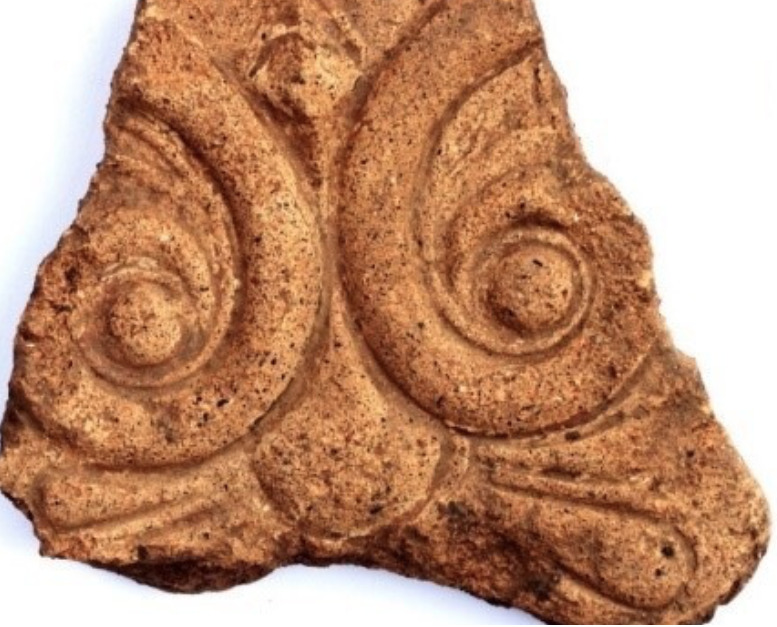
This contribute aims to provide new insight on the production and circulation of full-figure architectural terracotta images adorning temples, namely fictiles, in northern Etruria. The investigation focuses on the recent discovering of a relevant corpus of architectural terracottas in Populonia, emerged during the excavation in La Casaccia locality, on the eastern slopes of Poggio del Castello (Baratti, Livorno, Tuscany). The review of the typological study and the archaeometric analysis on a selection of representative antefixes and relief plaques disclosed a complex scenario revealing the presence of both local and imported fictiles. Future and already planned investigations of architectural terracottas from Volterra promise to enlarge the frame on the circulation of imported fictiles from the nearby Campanian areas, redrawing the dual interpretation of mobility of goods vs mobility of men for decorating public buildings in northern Etruria.
In and around the area where the Islamic-era cemetery of Chellah now lies in modern Rabat, Morocco, a Phoenician and Carthaginian settlement developed. The Roman colony of Sala was eventually established there.
R is a free software environment for statistical computing and graphics. It compiles and runs on a wide variety of UNIX platforms, Windows and MacOS. To download R, please choose your preferred CRAN mirror.
If you have questions about R like how to download and install the software, or what the license terms are, please read our answers to frequently asked questions before you send an email.
Qubbet el-Hawa is a site of a group of rock cut tombs known as the Princes' Tomb on the west side of the Nile, opposite Aswan. The tombs mostly date to the Old Kingdom.