

Items
-
Academic ArticleA New Method Using Graph and Lattice Theory to Discover Spatially Cohesive Sets of Artifacts and Areas of Organized Activity in Archaeological SitesWe propose a new method to analyze spatially cohesive sets of artifacts and relate them to intrasite activity areas using the spatial similarity and cohesion of artifact types. This method can handle heterogeneous data and is able to reveal and deconstruct overlapping areas into their constituent elements. Application to a Mousterian habitation site from the Levant as a case study enables us to distinguish three spatially cohesive yet overlapping sets ("tool kits") of artifact and ecofact types within the boundaries of an excavated 50 m² sub-area of the site. Proponemos un método nuevo para el analizar de conjuntos cohesivos de artefactos, para relacionarlos a zonas de actividades por el medir de la similitud espacial y indice de coherencia de tipos de artefactos. Puede manejar tal método datos heterogéneos y puede separar zonas de actividades superpuesto hasta sus elementos particulares. Una prueba del método con un sitio doméstico Musteriense del Próximo Oriente nos permite distinguir tres conjuntos diferentes de herramientas y 'ecofactos' dentro de una área excavada del sitio de 50 m².
-
Academic ArticleA new method for the large-scale documentation of pottery sherds through simultaneous multiple 3D model capture using Structure from MotionThis paper presents a new rapid, low-cost method for the large-scale documentation of pottery sherds through simultaneous multiple 3D model capture using Structure from Motion (SfM). The method has great potential to enhance and replace time-consuming and expensive conventional approaches for pottery documentation, i.e., 2D photographs and drawing on paper with subsequent digitization of the drawings. To showcase the method’s effectiveness and applicability, a case study was developed in the context of an investigation of the Phoenician economy at the Lebanese site of Tell el-Burak, which is based on a large collection of amphora sherds. The same set of sherds were drawn by an experienced draftsperson and then documented through SfM using our new workflow to allow for a direct comparison. The results show that the new technique detailed here is accessible, more cost-effective, and allows for the documentation of ceramic data at a far-greater scale, while producing more consistent and reproducible results. We expect that these factors will enable excavators to greatly increase digital access to their material, which will significantly enhance its utility for subsequent research.
-
conference paperA new contribution for the reconstructive study of the theatre of TaorminaThis paper presents the results achieved for the reconstructive study of the Greek-Roman theatre of Taormina, aimed at the realization of a Computer Graphic (CG) film presented at the G7 summit (26-27 May 2017). The reconstruction is now exposed to visitors within one of the two basilicas at the entrance of the theater. The work was commissioned by the Archaeological Superintendence-Park of Naxos-Taormina and proposes the ancient structure in its original aspect in two distinct phases. The first phase dating back to the first quarter of the II century A.D.. When, following a first imposed renovation, the complex expanded the receptive capacity of audience with the construction of an external ambulatory and the reconstruction of the entire scaenae frons. The second part dating back to III century A.D. instead, it involves changes to the stage building and the orchestra with its transformation into the arena that change the use of the building. In particular the theatre representations were substituted with gladiatorial games. Our reconstruction uses fast 3D surveys based on drone photogrammetry and close range photogrammetry, together with the potential offered by the 3D modelling environment for interpretation and study. This approach has led to some unpublished solutions. The main goal of this work, is to understand the architectural and details of the monument, in an overall vision of the original context that allows the visitors to value its element of originality.
-
Academic ArticleA new computational method to quantify morphological standardization and variation within ceramic assemblagesAnalysis of ceramic standardization and variation provides a powerful tool for evaluating the scale, organization, and technological practices behind pre-modern production and for gauging the coordination and complexity of past economic systems. The selection of formal attributes to allow effective measurement and comparison of complex shapes, though, presents a crucial challenge to systematic study. Alongside fabric composition and surface treatment, consistent linear dimensions offer helpful metrics for assessing standardized production. More difficult to measure, though, are the many finely graduated variations in shape that can reflect how these processes were implemented and the limits to large-scale serial productions like those of the ancient Mediterranean world. We offer here a new method and computational pipeline, developed using open-source libraries, to quantify morphological similarities and differences among ceramics. Grounded in point cloud comparison, our method enables comprehensive 3D characterization of geometries down to the pixel level and leverages state-of-the-art machine learning algorithms and high-speed data structures for efficiency and scalability across large assemblages. Case studies of transport amphoras from two late antique shipwrecks off the coast of southwest Turkey demonstrate the robustness of the methodology and pipeline. Together, they provide an analytically rigorous and flexible approach to quantifying formal variation within a dataset. The first results suggest strategies for controlling the capacities of these transport jars within late ancient systems of production, but the method should also prove useful in formal analysis of artifacts of other forms and contexts.
-
Academic ArticleA new ANEW: Evaluation of a word list for sentiment analysis in microblogsSentiment analysis of microblogs such as Twitter has recently gained a fair amount of attention. One of the simplest sentiment analysis approaches compares the words of a posting against a labeled word list, where each word has been scored for valence, -- a 'sentiment lexicon' or 'affective word lists'. There exist several affective word lists, e.g., ANEW (Affective Norms for English Words) developed before the advent of microblogging and sentiment analysis. I wanted to examine how well ANEW and other word lists performs for the detection of sentiment strength in microblog posts in comparison with a new word list specifically constructed for microblogs. I used manually labeled postings from Twitter scored for sentiment. Using a simple word matching I show that the new word list may perform better than ANEW, though not as good as the more elaborate approach found in SentiStrength.
-
Academic ArticleA multidisciplinary approach to document and analyze seismic protection techniques in Mugello from the Middle Ages to Early Modern TimeThe contribution will outline a methodological program designed with the purpose of offering an innovative and multidisciplinary analysis of seismic protection techniques in historical architecture of Mugello, a medium-high risk seismic on the Apennine mountain range between Tuscany and Emilia Romagna. Although the existence of specific expedients used for seismic prevention is an accepted topic by the scientific community, many a time their recognition is dependent on the experience of researchers dealing with analysis. In fact, such measures, in many cases, are used for structural purpose allowing simultaneously protection from movements caused by earthquakes. How can we document and periodize these type of techniques and recognize an “anti-seismic” conception? An answer to this may only be found through a careful analysis complementing a deep knowledge of the building methods of the area under study, that can allow the breaking up and dating of the single construction and destruction actions present in a building, leading to the identification of some “uncommon” elements in respect to traditional construction techniques, being able to interpret a specific function. It is thus only through the analysis of this complex mechanism that is established over time, with the reading of the instability of macro-elements and the definition of the construction history of the building, that integrates a subdivision of construction typology with a stratigraphic decomposition of the artefact, that identification of “anomalies” within the building becomes possible. Applying this research methodology to a building, or even better to a whole area, allows the identification and dating of the potential presence of “safeguards” related to earthquakes, that is all architectural elements of various form, nature, raw material, etc., put into use during or after the construction of a building to mitigate, repair or oppose the effect of terrestrial movement.
-
Academic ArticleA multidisciplinary approach for investigating dietary and medicinal habits of the Medieval population of Santa Severa (7-15 centuries, Rome, Italy)A multidisciplinary approach, combining stable isotope analysis from bone proteins and investigations on dental calculus using DNA analysis, light microscopy, and gas chromatography coupled with mass spectrometry, was applied to reconstruct dietary and medicinal habits of the individuals recovered in the cemetery of the Castle of Santa Severa (7th-15th centuries CE; Rome, Italy). Stable isotope analysis was performed on 120 humans, 41 faunal specimens and 8 charred seeds. Dental calculus analyses were carried out on 94 samples. Overall, isotope data indicated an omnivorous diet based on C3-terrestrial protein, although some individuals possessed carbon values indicative of C4 plant consumption. In terms of animal protein, the diet was probably based on cattle, sheep, pig and chicken products, as witnessed by the archaeozoological findings. Evidence from calculus suggested the consumption of C3 cereals, Fabaceae, Fagaceae, milk and dairy products. Secondary metabolites of herbs and wine were also detected. The detection of marine fish ancient DNA, as well as of ω3 fatty acids in calculus, hypothesized the consumption of marine foodstuffs for this coastal population, despite the lack of a clear marine isotopic signal and the presence of polyunsaturated fatty acids in plant tissues. Moreover, the knowledge of ethnopharmacological tradition and the application of medicinal plants (e.g. Punica granatum L., Ephedra sp. L.) were also identified. The detection of artemisinin, known to have antimalarial properties, led to hypothesize the presence of malaria in the area. Altogether, the combined application of microscopy and biomolecular techniques provided an innovative reconstruction of Medieval lifeways in Central Italy.
-
Academic ArticleA multi-scale BIM/GIS framework for railways asset managementClimate change and urban transformations raise new challenges for decision-makers. The United Nations Sustainable Development Goals and The European Green Deal aim for a sustainable economy by reducing emissions of greenhouse gases. An essential task for reaching this result is to minimize transport emissions and their negative impacts on the environment and the human health. Rail is the future of sustainable transport system, and it can be part of the solution in achieving the decarbonisation target. In addition, even more people are using the train and the improvement of the service offered is an essential aspect to fulfil a greater demand for rail transport. More than five million people daily take the train in Italy, and this number is growing over time. It is demonstrated that more investment in rail infrastructure means a greater number of users, and this is even more true when considering the regional rail transport network. This ongoing research aims to test the potential of a Building Information Modelling (BIM) and Geographic Information Systems (GIS) integrated system employed to manage this type of existing infrastructure. A methodology was developed and partly tested on a case study. The purpose is the construction of a system that can be used across different phases of the process: linking the data resulting from BIM and GIS makes possible the development of a federated virtual model used as a single source of truth for project development and asset management.
-
Academic ArticleA Multi-Resolution Methodology for the 3D Modeling of Large and Complex Archeological AreasThis article reports on a multi-resolution and multi-sensor approach developed for the accurate and detailed 3D modeling of the entire Roman Forum in Pompei, Italy. The archaeological area, approximately 150 × 80 m, contains more than 350 finds spread all over the forum as well as larger mural structures of previous buildings and temples. The interdisciplinary 3D modeling work consists of a multi-scale image- and range-based digital documentation method developed to fulfill all the surveying and archaeological needs and exploit all the intrinsic potentialities of the actual 3D modeling techniques. The data resolution spans from a few decimeters down to few millimeters. The employed surveying methodologies have pros and cons which will be addressed and discussed. The results of the integration of the different 3D data in seamlessly textured 3D model are finally presented and discussed.
-
conference paperA multi-resolution methodology for archeological survey: the Pompeii forumnoneThe article reports about a multi-resolution approach developed for the 3D modeling of the entire Roman Forum in Pompei, Italy. The archaeological area, approximately 150 x 80 m, contains more than 350 finds spread all over the forum as well as larger mural structures of previous buildings and temples. The interdisciplinary 3D modeling work consists of a multi-scale image- and range based digital documentation method developed to fulfill all the surveying and archaeological needs and exploit all the potentialities of the actual 3D modeling techniques. Data’s resolution spans from few decimeters down to few millimeters. The employed surveying methodologies have pros and cons which will be addressed and discussed. Preliminary results of the integration of different 3D data in seamlessly textured 3D model, are presented.
-
Academic ArticleA multi-disciplinary approach for research and presentation of Bracara Augusta's Archaeological HeritageThe purpose of this paper is to present an archaeological information system and multimedia application used to record, manage and diffuse the data provided by the excavations conducted, since 1976, in Braga, Portugal, and related to the “Urban Rescue Project of Bracara Augusta”. The Geographical Information System built to manage and process the archaeological information (SIABRA), created by a team from the Archaeology Unit of Minho University, which was responsible for the project, is presented here. A natural result and advantage of this system is to simplify and enhance spatial analysis and data articulation related to the main buildings which have already been found, as well as the urban interpretation. One further advantage is the three dimensional model reconstruction, where a specialist (archaeologist, architect, urbanist) can analyse and visualise complex and diachronic information concerning the Roman town, in order to simplify the global understanding of buildings, their reconstruction phases and the general relationships between them. The development of virtual environments reproducing archaeological sites, such as the Roman town of Bracara Augusta, can be considered as an important and powerful tool for facilitating the research of specialists and improving heritage consciousness.
-
Academic ArticleA method for modeling dispersed settlements: visualizing an early Roman colonial landscape as expected by conventional theoryThis paper proposes a GIS quantitative method for simulating dispersed distribution of sites in a landscape. A certain number of sites might have escaped archaeological detection due to the adverse surface visibility conditions experienced during field survey (the so-called missing sites). As regards early Roman colonial landscapes of central-southern Italy, these surface visibility factors were traditionally seen to be so dramatic as to have allegedly hampered the detection of the conventionally expected dispersed and densely-settled colonial farm landscape. In this paper the regional and site-oriented field survey conducted in Venosa (Basilicata, Italy) is used as a case-study to simulate a large amount of hypothetical early colonial sites. The aim of this theoretical exercise is to show how the rural dispersed settlement pattern expected by the conventional theory could appear on a map, and to visually highlight the divergence between survey data and conventional spatial expectancies.
-
conference paper
-
BookA Mediterranean Valley: Landscape Archaeology and Annales History in the Biferno ValleyThis extensive study documents the long-term human settlement history of the Biferno Valley in central-southern Italy, from its earliest occupation in the Stone Age right up to the present day. Integrating the techniques of archaeology, history and geography, Barker shows how settlement in the Valley is inextricably linked to the parallel story of landscape development, his themes and subjects including: Approaches to Mediterranean landscape history; The modern landscape; Methodologies of the Biferno Valley Survey; The natural landscape and its evolution; Early prehsitoric settlement; The first agricultural communities; Iron Age chiefdoms (c.1000-500 BC); Pentri, Frentani and the beginnings of urbanization (c.500--80 BC); Roman towns and territories (c.80 BC-600 AD); The evolution of hilltop villages (AD 600-1500); Feudalism and the `Southern Question' (AD 1500 to the present).
-
Academic ArticleA manifesto for reproducible scienceImproving the reliability and efficiency of scientific research will increase the credibility of the published scientific literature and accelerate discovery. Here we argue for the adoption of measures to optimize key elements of the scientific process: methods, reporting and dissemination, reproducibility, evaluation and incentives. There is some evidence from both simulations and empirical studies supporting the likely effectiveness of these measures, but their broad adoption by researchers, institutions, funders and journals will require iterative evaluation and improvement. We discuss the goals of these measures, and how they can be implemented, in the hope that this will facilitate action toward improving the transparency, reproducibility and efficiency of scientific research.
-
Academic ArticleA Lockpick's Guide to dataARC: Designing Infrastructures and Building Communities to Enable Transdisciplinary ResearchThis article outlines the core motivations for dataARC's work and introduce the tools, platforms and (meta)data products developed.
-
Academic ArticleA Lighting Consistency Technique for Outdoor Augmented Reality Systems Based on Multi-Source Geo-InformationAchieving seamless integration between virtual objects and real scenes has always been an important issue in augmented reality (AR) research. To achieve this, it is necessary to provide virtual objects with real-time and accurate lighting conditions from a real scene. Therefore, the purpose of this study is to realize lighting consistency rendering for real-time AR systems in outdoor environments, aiming to enhance the user’s sense of immersion. In this paper, we propose a lighting consistency technique for real-time AR systems in outdoor environments based on multi-source geographical information (MGI). Specifically, we introduce MGI into the study of lighting consistency and construct a comprehensive database to store and manage the acquired MGI data. Based on this, we proposed a sky radiance model driven using the MGI. Finally, we utilized the sky radiance model along with light sensor data to render the virtual objects in outdoor scenes. The experimental results show that the shadow angular error is reduced to 5.2°, and the system frame rate is increased to 94.26. This means that our method achieves a high level of realism in the fusion of virtual objects and real scenes while ensuring a high frame rate in the system. With this technology, users can conveniently and extensively realize the lighting consistency rendering of real-time AR systems in outdoor scenes using mobile devices.
-
Academic ArticleA land evaluation project in Greece using GIS and based on Boolean and fuzzy set methodologiesIn Mediterranean regions there is little experience in using GIS as an aid to land evaluation. This paper reports a project in Greece which investigated the usefulness of such technology, Particular emphasis was also given to comparing the results of land evaluation using Boolean and fuzzy set methodologies. The need was to produce the results as quickly and efficiently as possible to aid agricultural planning. By using a GIS, a series of single factor and land evaluation maps was produced for a range of crops; a land suitability map for receipt of sewage was also derived. A comparison of results from using Boolean and fuzzy set methodologies highlighted the advantages of the latter, although critical decisions are required on choice of membership functions and weights which have a major effect on the results.
-
Academic ArticleA human–AI collaboration workflow for archaeological sites detectionThis paper illustrates the results obtained by using pre-trained semantic segmentation deep learning models for the detection of archaeological sites within the Mesopotamian floodplains environment. The models were fine-tuned using openly available satellite imagery and vector shapes coming from a large corpus of annotations (i.e., surveyed sites). A randomized test showed that the best model reaches a detection accuracy in the neighborhood of 80%. Integrating domain expertise was crucial to define how to build the dataset and how to evaluate the predictions, since defining if a proposed mask counts as a prediction is very subjective. Furthermore, even an inaccurate prediction can be useful when put into context and interpreted by a trained archaeologist. Coming from these considerations we close the paper with a vision for a Human–AI collaboration workflow. Starting with an annotated dataset that is refined by the human expert we obtain a model whose predictions can either be combined to create a heatmap, to be overlaid on satellite and/or aerial imagery, or alternatively can be vectorized to make further analysis in a GIS software easier and automatic. In turn, the archaeologists can analyze the predictions, organize their onsite surveys, and refine the dataset with new, corrected, annotations.
-
Academic ArticleA high-precision photogrammetric recording system for small artifactsArchaeologists, preservationists, and many other researchers have increasingly turned to photogrammetry as an alternative to optical 3D-scanning hardware. The technology is sufficiently new that researchers have only begun to establish the protocols and standards. This article presents a simple yet rigorously controlled method for 3D modeling small artifacts ca. 5–10cm across. The specimen is rotated on a turntable to facilitate photography, and artificial lighting creates an even illumination throughout the resulting models. A masking technique allows a full 360° view of the object to be restored simultaneously, eliminating the need for aligning and merging partial scans or other post-processing. Repeatability tests of the resulting models indicate high precisions and accuracies that exceed those reported previously for photogrammetric modeling in the literature. The method can match the accuracy typically attained by commercial optical scanning systems.
-
Academic ArticleA hand to the plough. A GIS-based cartographical analysis of changes in elevation due to terrain modification and erosion in the settlement area of ancient CrustumeriumPlough zone archaeology is revealed to us by post-depositional processes that move, abrade, disperse, obscure and change the composition of surface find assemblages, biasing the interpretation of survey data. The tuff bedrock that is characteristic of the geology of large parts of Central Italy is well known to be prone to erosion, which has been accelerated due to the long and intensive agricultural exploitation of the landscape. In the case of the ancient Latin settlement of Crustumerium (North-Rome) the adverse effects of erosion on the preservation of the archaeological record have been stressed by several scholars. One of the objectives of the archaeological fieldwork on Crustumerium by the Groningen Institute of Archaeology, in collaboration with the Soprintendenza Speciale per i Beni Archeologici di Roma, is to investigate the nature and impact of these taphonomic processes for the archaeology of this ancient urban area. The current paper investigates the history of land-use on the site of Crustumerium on the basis of elevation information in topographical maps covering a period of a century. The authors will quantify the geomorphological changes on the basis of a diachronic analysis of digital elevation models generated and compared within a GIS. The result is a series of maps in which the degree of erosion and subsequently the expected preservation of subsurface archaeology is defined for the entire settlement area. Maps like this can help guide future research plans, but can also assist in the interpretation of currently available data.
-
BookA guide to Ogamxii, 211 p. : 26 cm; Includes bibliographical references (p. 186-196) and indexes
-
Academic ArticleA guide to good practice in Mediterranean surface survey projectsThis article deals with a relatively new form of archaeological research in the Mediterranean region – intensive surface survey, coverage of the landscape by teams walking in close order, recording patterns of human activity visible on the landsurface as scatters of pottery and lithics, or building remains. Since 2000, archaeologists from Dutch and Belgian universities working on Mediterranean survey projects have gathered annually to discuss methodological issues in workshops that gradually attracted landscape archaeologists from other European countries and Turkey. On the basis of these discussions, this paper, written by regular workshop contributors and other invited authors with wider Mediterranean experience, aims to evaluate the potential of various approaches to the archaeological surface record in the Mediterranean and provide guidelines for standards of good practice in Mediterranean survey.
-
Academic ArticleA Guide for Sparse PCA: Model Comparison and ApplicationsPCA is a popular tool for exploring and summarizing multivariate data, especially those consisting of many variables. PCA, however, is often not simple to interpret, as the components are a linear combination of the variables. To address this issue, numerous methods have been proposed to sparsify the nonzero coefficients in the components, including rotation-thresholding methods and, more recently, PCA methods subject to sparsity inducing penalties or constraints. Here, we offer guidelines on how to choose among the different sparse PCA methods. Current literature misses clear guidance on the properties and performance of the different sparse PCA methods, often relying on the misconception that the equivalence of the formulations for ordinary PCA also holds for sparse PCA. To guide potential users of sparse PCA methods, we first discuss several popular sparse PCA methods in terms of where the sparseness is imposed on the loadings or on the weights, assumed model, and optimization criterion used to impose sparseness. Second, using an extensive simulation study, we assess each of these methods by means of performance measures such as squared relative error, misidentification rate, and percentage of explained variance for several data generating models and conditions for the population model. Finally, two examples using empirical data are considered.
-
Academic ArticleA Global Geometric Framework for Nonlinear Dimensionality ReductionScientists working with large volumes of high-dimensional data, such as global climate patterns, stellar spectra, or human gene distributions, regularly confront the problem of dimensionality reduction: finding meaningful low-dimensional structures hidden in their high-dimensional observations. The human brain confronts the same problem in everyday perception, extracting from its high-dimensional sensory inputs—30,000 auditory nerve fibers or 106 optic nerve fibers—a manageably small number of perceptually relevant features. Here we describe an approach to solving dimensionality reduction problems that uses easily measured local metric information to learn the underlying global geometry of a data set. Unlike classical techniques such as principal component analysis (PCA) and multidimensional scaling (MDS), our approach is capable of discovering the nonlinear degrees of freedom that underlie complex natural observations, such as human handwriting or images of a face under different viewing conditions. In contrast to previous algorithms for nonlinear dimensionality reduction, ours efficiently computes a globally optimal solution, and, for an important class of data manifolds, is guaranteed to converge asymptotically to the true structure.
-
Academic ArticleA GIS-based archaeological decision-support model for Cultural Resource ManagementCultural resource management (CRM) work in the United States has recently produced vast amounts of data that are now being assembled in large databases. Thus, the potential has grown for useful site location models in support of heritage conservation. As Geographic Information Systems (GIS) have become more powerful, they have become more useful to archaeologists. The realm of archaeological predictive modeling has grown to include at least three types of models that focus either on site-prospection, on understanding ancient ways of life, or on decision-support for cultural resource managers. Decision-support modelling seems to have the greatest near-term potential as a useful modelling tool. However, there are also significant methodological and theoretical issues yet to be resolved before such tools can be widely used. An example of an archaeological site location model currently in development illustrates the potential of decision-support modeling. Some of the problems inherent in site-prospection and ancient-behavior analysis can be avoided in models designed as decision-support tools.
-
Academic ArticleA geodatabase for multisource data applied to cultural heritage: the case study of villa revedin bolascoIn this paper we present the results of the development of a Web-based archiving and documenting system aimed to the management of multisource and multitemporal data related to cultural heritage. As case study we selected the building complex of Villa Revedin Bolasco in Castefranco Veneto (Treviso, Italy) and its park. Buildings and park were built in XIX century after several restorations of the original XIV century area. The data management system relies on a geodatabase framework, in which different kinds of datasets were stored. More specifically, the geodatabase elements consist of historical information, documents, descriptions of artistic characteristics of the building and the park, in the form of text and images. In addition, we used also floorplans, sections and views of the outer facades of the building extracted by a TLS-based 3D model of the whole Villa. In order to manage and explore these rich dataset, we developed a geodatabase using PostgreSQL and PostGIS as spatial plugin. The Web-GIS platform, based on HTML5 and PHP programming languages, implements the NASA Web World Wind virtual globe, a 3D virtual globe we used to enable the navigation and interactive exploration of the park. Furthermore, through a specific timeline function, the user can explore the historical evolution of the building complex.
-
Book SectionA general psychoevolutionary theory of emotionThe general psychoevolutionary theory of emotion that is presented here has a number of important characteristics. First, it provides a broad evolutionary foundation for conceptualizing the domain of emotion as seen in animals and humans. Second, it provides a structural model which describes the interrelations among emotions. Third, it has demonstrated both theoretical and empirical relations among a number of derivative domains including personality traits, diagnoses, and ego defenses. Fourth, it has provided a theoretical rationale for the construction of tests and scales for the measurement of key dimensions within these various domains. Fifth, it has stimulated a good deal of empirical research using these tools and concepts. Finally, the theory provides useful insights into the relationships among emotions, adaptations, and evolution.
-
Academic ArticleA Framework for Using Point Cloud Data of Heritage Buildings Toward Geometry Modeling in A BIM Context: A Case Study on Santa Maria La Real De Mave ChurchThis paper presents a case study on the virtual modeling and reconstruction of Architectural Heritage building. The graphic and semantic information required determining the conservation status of the building, obtained from point clouds and historical and bibliographical data, are combined. The different components are modeled manually by using commercial Building Information Modeling (BIM) software, and used to create a library of parametric elements under the concept of Heritage Building Information Modeling (HBIM). This represents a solution for the 3D modeling of a wide range of buildings in the same style, due to the flexibility of the modeled elements that can change in shape and proportions, thus adapting to new requirements. Moreover, technical documentation and quantitative and qualitative information can be produced, allowing detailed analysis to be carried out in a remote and multidisciplinary way within the general framework of “Smart heritage”.
-
BookA framework for land evaluationThe designations employed and the presentation of material in this publication do not imply the expression of any opinion whatsoever on the part of the Food and Agriculture Organization of the United Nations concerning the legal status of any country, territory, city or area or of its authorities, or concerning the delimitation of its frontiers or boundaries.
-
Academic ArticleA Framework Design for Information Management in Heritage Science LaboratoriesThe dataflow in any scientific research laboratory is continuous and considerable even in analytical niches such as heritage science laboratories. This article discusses advantages of using a Laboratory Information Management System (LIMS) for organising and systematising research in an interdisciplinary analytical laboratory. LIMS solutions are proven to be effective in managing laboratories, organising their daily management tasks, improving work conditions and increasing productivity, managing equipment and resources, and managing and safeguarding scientific data. LIMS software is commercially available since the 1990s with over a hundred software packages intended either for general or specific purposes. However, the ones currently available do not fulfil all the requirements for heritage science or are over-the-top, complex, one-fits-all standard solutions. The system here proposed was developed for a heritage science laboratory, considering its unique requirements, having as a case study the HERCULES Lab, from the University of Évora (Portugal). This article documents our approach based on the analysis of the unique requirements for the lab resulting in a proposal of a custom user-centred web-based system. For this, we discuss in detail the workflow, and the required system architecture. We conclude that although it is a small niche market for major manufacturers to dwell on, a custom LIMS is of the utmost importance for the current management of heritage science laboratories across the globe.
-
Academic ArticleA first-order logic expression of the CIDOC Conceptual Reference ModelAbstract: The CIDOC Conceptual Reference Model is a well-known conceptual modelling language for documenting cultural heritage artefacts, with a special attention to museum objects. CRM is an ISO standard since 2006 (ISO21127:2006) and renewed 2014 (ISO21127:2014). The CRM is specified in a semantic data modelling style and relies on consolidated notions for the representation of knowledge such as classes, properties, IsA hierarchies, domain and range constraints and cardinality restrictions. However, the CRM still lacks a formal specification of its semantical and inferential apparatus. This lack makes it difficult to clearly define fundamental operations on a CRM knowledge base, such as querying or consistency checking, while preventing any investigation on the computational properties of the language. This paper provides such an apparatus by expressing the CRM as a first-order theory. It then provides a reduction of the theory to a datalog program, and shows how the program can be used to effectively query a knowledge base taking into account the logical consequences of the represented knowledge.
-
Book SectionA field guide to postphenomenologySemantic Scholar extracted view of "A field guide to postphenomenology" by Robert Rosenberger et al.
-
Book SectionA Digital Workflow for Built Heritage: From SCAN-to-BIM Process to the VR-Tour of the Basilica of Sant’Ambrogio in Milan: 7th International Conference, EuroMed 2018, Nicosia, Cyprus, October 29–November 3, 2018, Proceedings, Part IThe latest information technology developments have enabled the creation of novel virtual experiences favouring an increasingly higher level of information connected to the 3D reconstruction. Building Information Modelling (BIM), 3D cloud services and virtual/augmented reality (AR-VR) projects are the most applied methods to transmit the wealth of built heritage from both the geometrical and informative points of view. In this paper, we present a holistic workflow to integrate the most applied digital techniques with the aim of creating the highest quality-immersive solutions starting from an accurate 3D survey. Thanks to a new SCAN-to-BIM method that transfer the morphological and typological characteristics of the surveyed building to a shared cloud system, it will be possible to support specialists in the documentation and preservation of historical uniqueness of the basilica of Sant’Ambrogio in Milan (Italy) with a new level of information sharing. Finally, a new digital experience based on next-generation technologies has been offered to the cultural tourism. Thanks to the development of a virtual tour that embeds different multimedia data (360° photos, photos, virtual notebook, description, video, audio etc), it has been possible to create a digital history for one of the greatest examples of the historic Italian architecture.
-
Academic ArticleA Digital Public Archaeology?Digital Public Archaeology is a very new label for a contemporary practice, and as such has been subject to a limited amount of theoretical scrutiny. The rapid pace of change within Internet technologies has significantly expanded potential for this ‘digital’ form of Public Archaeology practice. Internet technologies can be used to gather contributions of ‘crowd-sourced’ archaeological content; to share and discuss archaeological news and discoveries; foster online community identity, situated around the topic of archaeology and wider heritage issues, or to elicit financial support. Expectations of and opportunities for social, collaborative and individual participation and interaction with cultural heritage have grown accordingly. Professional archaeological organisations are increasingly encouraged, if not required, to disseminate their grey literature reports, publications, educational resources, data-sets, images and other archaeological informatics through digital means, frequently as mandatory outputs for impact assessment and public accountability. Real-time sharing, comment and feedback of archaeological information online and via mobile technologies stand in contrast to lengthy waits for publication and wider dissemination. This paper will explore the literature on the practice of Public Archaeology in the UK, and issues associated with the development of digital public engagement in the heritage sector.
-
Academic ArticleA digital Mediterranean countryside: GIS approaches to the spatial structure of the post-medieval landscape on Kythera (Greece)Mediterranean landscapes have been fragmented, connected and reformed by countless trackways, buildings and field systems. On the Greek Island of Kythera, an extensive and detailed record of such structures has been recorded as part of broader multidisciplinary investigation of the island's long-term history by the Kythera Island Project (KIP). This rich dataset can be complemented further by KIP's intensive archaeological and geoarchaeological surveys, offering both practical checks on existing data and insights at a greater resolution. This paper draws on this combination of material and deploys spatial analysis techniques to explore and quantify a range of issues relating to anthropogenic landscapes.
-
conference paperA Digital Data Curation-Based Photogrammetric Acquisition Methodology for Cultural Heritage, expanded with CIDOC CRM Compatibility: protocol BeA-PGThe increasing digitalization of cultural heritage assets and the exponential expansion of digital repositories have created new opportunities for archaeological documenting, preservation, and dissemination. Photogrammetry, a survey approach that uses photographic acquisitions to construct highly detailed 3D models of objects, buildings, and landscapes, is one of the most promising techniques in this field. The effectiveness of the photogrammetric process, however, has still limitations due to a lack of experience sharing and data interoperability, which have resulted from the singularities of the techniques in both process and data format. To address this issue, this paper proposes a novel workflow for the photogrammetric process, called BeA-PG, developed for the BeArchaeo archaeological project. BeA-PG implements two relevant features for improving the effectiveness: on the one hand, sharing is improved by widening the scope of the process representation from the specific archaeological context to the broader cultural heritage context, by adopting the Digital Data Curation process abstraction; on the other, it improves the interoperability by describing the process with a shared ontological vocabulary, namely the CIDOC-CRM model. The paper introduces the major features of the photogrammetric process, its description through the abstract flow of the Digital Data Curation process, and its encoding through the CIDOC-CRM vocabulary. We illustrate the BeA-PG workflow and its experimental application in the practical setting of the BeArchaeo project.
-
Book SectionA digital and archaeological perspective of the World War One Veneto-Trentino front line trench systems in Northern ItalySince the end of the First World War, material remains of the conflict have undergone progressive transformations. In the last decades, conflict archaeology has contributed to the investigation of these remains using a scientific approach. We present the results of a comprehensive study of two Austro-Hungarian trench systems along the northern Italian Front, one located in the area of Millegrobbe, Trento, and the other, part of the Winterstellung in Rotzo, Vicenza. Our aim is to determine the conservation rate of the trench portions still present in the test sites and to investigate the natural and anthropic contributions in the processes of obliteration of the WWI infra(structures) and the restoration of the pre-war landscape. Methodologically, the study was carried out with different degrees of impact: noninvasive, remote sensing techniques (applied to both case studies) and (semi)automatic recognition of the visible war-related traces (only in Millegrobbe); field surveys to verify the reliability of the remotely sensed investigations and the preservation of the structures (both case studies); and microinvasive excavations (only for the Winterstellung) to identify the pre- sin- and postdepositional processes of natural and man-made origin that caused the heterogenous degree of preservation of the investigated structures.
-
BookA Description of the East, and Some Other Countries.The 18th century was a wealth of knowledge, exploration and rapidly growing technology and expanding record-keeping made possible by advances in the printing press. In its determination to preserve the century of revolution, Gale initiated a revolution of its own: digitization of epic proportions to preserve these invaluable works in the largest archive of its kind. Now for the first time these high-quality digital copies of original 18th century manuscripts are available in print, making them highly accessible to libraries, undergraduate students, and independent scholars.Rich in titles on English life and social history, this collection spans the world as it was known to eighteenth-century historians and explorers. Titles include a wealth of travel accounts and diaries, histories of nations from throughout the world, and maps and charts of a world that was still being discovered. Students of the War of American Independence will find fascinating accounts from the British side of conflict. ++++The below data was compiled from various identification fields in the bibliographic record of this title. This data is provided as an additional tool in helping to insure edition identification:++++British LibraryT031684For additional holdings, please see N66300. Vol.2 is in 2 parts, with separate titlepages, pagination and register, and imprint reading: printed for the author, by W. Bowyer. 1745.London : printed for the author, by W. Bowyer; and sold by J. and P. Knapton, W. Innys, W.Meadows, G. Hawkins [and 6 others in London], 1743-45. 2v.,plates : maps ; 2°
-
Academic ArticleA dated typology for Roman roof-tiles (tegulae)//static.cambridge.org/content/id/urn%3Acambridge.org%3Aid%3Aarticle%3AS1047759400006371/resource/name/firstPage-S1047759400006371a.jpg
-
Academic ArticleA Cryptotephra Layer in Sediments of an Infilled Maar Lake from the Eifel (Germany): First Evidence of Campanian Ignimbrite Ash Airfall in Central EuropeWe analyzed mineralogical characteristics, and major as well as rare earth element concentrations, from a cryptotephra layer in sediments of the infilled maar of Auel (Eifel, Germany). The results of detailed geochemical analyses of clinopyroxenes and their glassy rims from the Auel cryptotephra layer showed that they are similar to those from the thick Campanian Ignimbrite tephra occurrence in a loess section at Urluia (Romania). Both tephras show idiomorphic green clinopyroxenes and formation of distorted grains up to millimeter scale. The cryptotephra in the Auel core has a modelled age of around 39,940 yr b2k in the ELSA-20 chronology, almost identical to the latest 40Ar/39Ar dates for the Campanian Ignimbrite/Y-5 (CI/Y-5) eruption. These observations suggest that parts of the CI/Y-5 ash cloud were transported also northwestward into Central Europe, whereas the main branch of the CI/Y-5 ash plume was transported from southern Italy towards the NE, E, and SE. Based on pollen analyses, we conclude there was no direct effect on vegetation from the CI/Y-5 fallout in the Eifel area. Trees, shrubs, and grasses remained at pre-tephra-airfall levels for roughly 240 years, but changed around 39,700 yr b2k when thermophilic woody plants (e.g., Alnus and Carpinus) disappeared and Artemisia spread. This change in vegetation was well after the Laschamp geomagnetic excursion and also after the GI9 interstadial and quite probably represents the onset of the Heinrich Event 4 (H4) cold spell, when climatic conditions over the North Atlantic, and apparently also in Central Europe, deteriorated sharply.
-
Academic ArticleA critique of G.I.S. in archaeology. From visual seduction to spatial analysisThe purpose of this paper is to critically explore the role of Geographical Information Systems in archaeological research. Currently, some archaeologists seem largely captivated by new computing technologies believing that the sophistication of powerful software outputs will lend respectability by itself. In our opinion GIS is merely a set of techniques to visualise and manage large amounts of georeferenced data. Thus, there must be other tools to move from visualisation to explanation, which fall within the domain of Spatial Analysis. The ultimate aim of this paper is to show how we can integrate these already existing tools (geostatistics, intra-site statistical tests, digital image processing, artificial intelligence, etc.) into a GIS framework, in order to move from beautiful images to hard analysis. Finally, we criticise the lack of a theoretical background in archaeological uses of GIS technology, arguing that GIS is only a software and may benefit our research only if we use well defined archaeological problems on a well-based theory.
-
Academic ArticleA critical comparison of 3D digitization techniques for heritage objectsTechniques for the three-dimensional digitization of tangible heritage are continuously updated, as regards active and passive sensors, data acquisition approaches, implemented algorithms and employed computational systems. These developments enable higher automation and processing velocities, increased accuracy, and precision for digitizing heritage assets. For large-scale applications, as for investigations on ancient remains, heritage objects, or architectural details, scanning and image-based modeling approaches have prevailed, due to reduced costs and processing durations, fast acquisition, and the reproducibility of workflows. This paper presents an updated metric comparison of common heritage digitization approaches, providing a thorough examination of sensors, capturing workflows, processing parameters involved, metric and radiometric results produced. A variety of photogrammetric software were evaluated (both commercial and open sourced), as well as photo-capturing equipment of various characteristics and prices, and scanners employing different technologies. The experimentations were performed on case studies of different geometrical and surface characteristics to thoroughly assess the implemented three-dimensional modeling pipelines.
-
DatasetA controlled vocabulary for research and innovation in the field of Cultural Heritage & Heritage SciencesThis controlled vocabulary of keywords related to the field of Cultural Heritage and Heritage Sciences was built by SIRIS Academic in collaboration with IRPET (the Regional Institute for Economic Planning of Tuscany) and the ISPC (Institute of Heritage Science of CNR), in order to identify Cultural related research, development, and innovation activities. The work was carried out by consulting domain experts' advice, and it was ultimately applied to inform regional strategies on Cultural Heritage and research and innovation policy. The aim of this vocabulary is to enable one to retrieve texts (e.g. R&D projects and scientific publications) featuring the concepts included in the present vocabulary in their titles and abstracts, assuming that these records have a certain contribution of applications, techniques and issues, in the domain of Cultural Heritage and Heritage Sciences. The aim of this classification is to identify research products in the domain of Cultural Heritage, ranging from documents in some of its “traditional” disciplines, but also from documents emerging from interdisciplinary projects that apply novel areas and technologies in the domain of Cultural Heritage. The identification of texts in the domain of Cultural Heritage requires a task of text classification. Developing a method that could be applied to decide if a text can be relevant or have some relation to the domain of Cultural Heritage is a challenging task. The definition of what Cultural Heritage is and what it includes is a complex activity, even for domain experts. This is in particular because Cultural Heritage is quite a broad field of knowledge, and there is no full agreement on where the borders of the domain are. To define the scope of the perimeter, in this project, many of the available definitions were taken into account. Because of the high number of resources available in the domain, among thesauruses and taxonomies, the construction of a weakly-supervised controlled vocabulary was considered as the best way of retrieving documents in the domain. Since there is no annotated corpus/dataset of research texts in the domain capable of generalising the diversity of publications that can be related to the cultural domain, but stemming from different disciplines, we have opted for a text classification technique based on rules – specifically, a weakly-supervised controlled vocabulary. As defined by the Getty Institute, a controlled vocabulary is an organized arrangement of words and phrases used to index content and/or to retrieve content through browsing or searching. It typically includes preferred and variant terms and has a defined scope or describes a specific domain. The purpose of controlled vocabularies is to organize information and to provide terminology to catalogue and retrieve information. While capturing the richness of variant terms, controlled vocabularies also promote consistency in preferred terms and the assignment of the same terms to similar content (Harping, 2010). In short, Cultural Heritage is a rather abstractly-defined field, and Heritage Science is a particularly “fuzzy” field within Cultural Heritage. One of the main limitations of the approach we used is that the controlled vocabularies never capture all the lexical and linguistic variants of a term, and we may miss relevant texts if we cannot find the correct pattern to match during the search. But on the other hand, the controlled vocabulary is built from available vocabularies and thesauruses in the domain of Cultural Heritage, which are large resources. All the concepts in these resources are not included directly in the controlled vocabularies, because they would add noise to the classification. Therefore, the automatic weak supervision and a human curation of the final controlled vocabulary is fundamental for achieving correct results. The controlled vocabulary is built taking advantage of these four resources: The <strong>Art and Architecture Thesaurus (AAT)</strong>: this is a structured vocabulary with approximately 34,000 concepts, including 131,000 words, descriptions and other information related to art, architecture, decorative arts, archival material and material culture, commonly used for cataloguing and for information retrieval. Some cultural heritage categories in <strong>Wikipedia </strong>and <strong>DBpedia</strong>: these categories have been used to collect all related articles and subcategories, in order to obtain relevant, similar and specific instances of concepts linked to the domain. The <strong>RICHES Taxonomy</strong>: this taxonomy is a theoretical framework of related terms and their definitions, referring to the new concepts in the digital era, with the aim of defining the scope of some digital technologies applied to cultural heritage. <strong>Heritage Data - Linked Data Vocabularies for Cultural Heritage</strong>: a dataset which includes several cultural heritage thesauruses and vocabularies and is recognised as a reference point in the United Kingdom in the domain of cultural heritage. The collection of concepts extracted from these four resources was composed of more than 60,000 terms, which have been refined as described in the next section. <strong>## Automatic validation of the controlled vocabulary</strong> In order to refine the collection of concepts to have a final set of relevant concepts and terms in the domain of Cultural Heritage, a semi-automatic validation has been applied to remove the irrelevant, too general, and ambiguous terms. To keep the relevant ones, the specialization index (SI) metric has been calculated for each of the keywords in the collection. In this case, the SI can be obtained measuring the fraction of publications with a keyword in a set of publications in the domain of Cultural Heritage and normalizing over the fraction of publications in the open domain with that keyword. After the calculation of the SI, all the keywords below a certain threshold are removed, and a manual supervision step is applied in order to remove non-pertinent keywords. An example of this automatic validation can be observed in the next table: <strong>Keyword</strong> <strong>Specialization Index</strong> <strong>Automatic threshold</strong> <strong>Manual supervision</strong> male 0.27 Removed Accepted 3-d laser scanning 0.7 Removed Accepted 78 rpm records 20.7 Accepted Removed vienna 3.48 Accepted Removed radiocarbon dating 13.6 Accepted Accepted graffiti 25 Accepted Accepted bark painting 20.7 Accepted Accepted pompeii 16.23 Accepted Accepted The SI of the final keywords can be used as a probabilistic metric for each keyword. The final list of keywords was manually curated by domain experts. <strong>## Evaluation of the controlled vocabulary</strong> The final controlled vocabulary was evaluated with an external dataset with the aim of calculating its degree of precision. The evaluation dataset was composed of a collection of articles in 4 journals unequivocally considered to fall within the domain of Cultural Heritage. These four journals were: <em>(1) Journal Of Cultural Heritage, (2) Journal On Computing And Cultural Heritage, (3) Journal Of Cultural Heritage Management And Sustainable Development and (4) Digital Applications In Archaeology And Cultural Heritage.</em> This collection was composed of 5,000 articles, considered as the positive set, and another collection of randomly selected 5,000 articles outside of the Cultural Heritage domain, considered as the false set. The Cultural Heritage vocabulary was applied to the evaluation data set, obtaining a 95% of precision. After a set of improvements on the vocabulary, based on the exploration of publications not identified in the first test and the false positive results, we obtained a 98% of precision. The application of the vocabulary taking advantage of the probability of each keyword as its weight of being in the domain did not improve the results, and for this reason the probabilistic approach was discarded. ## <strong>Using the vocabulary to classify publications concerning Cultural Heritage</strong> The definition of the vocabulary does not, per se, allow to identify research contributions in Cultural Heritage: this is performed by actually matching the terms in the controlled vocabulary to the content of the gathered research textual records. To successfully carry out this task, a series of pattern matching rules must be defined to capture possible variants of the same concept, such as permutations of words within the concept and/or the presence of null words to be skipped. For this reason, we have carefully crafted matching rules that take into account permutations of words and that allow words within concept to be within a certain distance. In the following table we present some examples of the tagging process on some abstracts: <strong>Publication title</strong> <strong>Publication abstract</strong> Egocentric visitor localization and artwork detection in cultural sites using synthetic data Computer vision and machine learning can be used in <strong>cultural heritage to augment the experience of visitors during the exploration of the cultural site</strong>, as well as to assist its management. To achieve such goals, two fundamental tasks should be addressed, i.e., localizing <strong>visitors and recognizing the observed artworks</strong>. Wearable cameras offer a convenient setting to address both tasks through the analysis of images acquired from the visitors’ points of view. However, the engineering of approaches to address such tasks generally requires large amounts of labeled data. We propose a tool which can be used to collect and automatically label synthetic visual data suitable to study image-based localization and artwork detection. The tool simulates a virtual agent navigating the <strong>3D model of a real cultural site</strong> and automatically captures video frames along with the related ground truth camera poses and semantic masks indicating the position of artworks. We generate a dataset of synthetic images starting from the 3D model of a <strong>museum located in Siracusa</strong>, Italy. The experiments suggest that the proposed tool allows to drastically reduce the effort needed to collect and label data, providing a means to generate large-scale datasets suitable to study localization and <strong>artwork detection in cultural sites</strong>. Discovering Leonardo with artificial intelligence and holograms: A user study Cutting-edge visualization and interaction technologies are increasingly used in<strong> museum exhibitions</strong>, providing novel ways to engage visitors and enhance their <strong>cultural experience</strong>. Existing applications are commonly built upon a single technology, focusing on visualization, motion or verbal interaction (e.g., high-resolution projections, gesture interfaces, chatbots). This aspect limits their potential, since museums are highly heterogeneous in terms of visitors profiles and interests, requiring multi-channel, customizable interaction modalities. To this aim, this work describes and evaluates an artificial intelligence powered, interactive holographic stand aimed at describing <strong>Leonardo Da Vinci's art</strong>. This system provides the users with accurate<strong> 3D representations of Leonardo's machines</strong>, which can be interactively manipulated through a touchless user interface. It is also able to dialog with the users in natural language about Leonardo's art, while keeping the context of conversation and interactions. Furthermore, the results of a large user study, carried out during art and tech exhibitions, are presented and discussed. The goal was to assess how users of different ages and interests perceive, understand and explore <strong>cultural objects </strong>when holograms and artificial intelligence are used as instruments of knowledge and analysis. Hybrid query expansion using lexical resources and word embeddings for sentence retrieval in question answering Question Answering (QA) systems based on Information Retrieval return precise answers to natural language questions, extracting relevant sentences from document collections. However, questions and sentences cannot be aligned terminologically, generating errors in the sentence retrieval. In order to augment the effectiveness in retrieving relevant sentences from documents, this paper proposes a hybrid Query Expansion (QE) approach, based on lexical resources and word embeddings, for QA systems. In detail, synonyms and hypernyms of relevant terms occurring in the question are first extracted from MultiWordNet and, then, contextualized to the document collection used in the QA system. Finally, the resulting set is ranked and filtered on the basis of wording and sense of the question, by employing a semantic similarity metric built on the top of a Word2Vec model. This latter is locally trained on an extended corpus pertaining the same topic of the documents used in the QA system. This QE approach is implemented into an existing QA system and experimentally evaluated, with respect to different possible configurations and selected baselines, for the <strong>Italian language and in the Cultural Heritage domain</strong>, assessing its effectiveness in retrieving sentences containing proper answers to questions belonging to four different categories. "3D reconstruction and validation of historical background for immersive VR applications and games: The case study of the Forum of Augustus in Rome" "In the last decades, thanks to the success of the video games industry, the sector of technologies applied to cultural heritage has begun to envisage, in this domain, new possibilities for the <strong>dissemination of heritage and the study of the past </strong>through edutainment models. More recently, experimentation in the field of<strong> virtual archaeology </strong>has led to the development of virtual museums and interactive applications. Among these, the “serious game” segment – the<strong> application of interactive technologies to the cultural heritage domain</strong> – is rapidly growing, also including immersive VR technologies. Applied VR games and applications are characterized by a thorough <strong>historical background and a validated 3D reconstruction</strong>. Indeed, producing such products requires a tailored workflow and large effort in terms of time and professionals involved to guarantee such faithfulness. Drawing on our previous work in the<strong> field of virtual archaeology</strong> and referring to recent experiences related to the deployment of applied VR games on PlayStation VR, we describe and assess a workflow for the production of <strong>historically accurate 3D assets</strong>, targeting interactive, immersive VR products. The workflow is supported by the case study of the <strong>Forum of Augustus </strong>and different output applications, highlighting peculiarities and issues emerging from a multi and interdisciplinary approach. Through this classification process, we identified projects and publications related to heritage, with different levels of relationship and relevance, but mostly relevant to understanding the research competencies in the domain. The resulting research records were reviewed by experts in the domain, given the occurrence of some false positives. Among the main strengths of this step, it’s worth mentioning the fact that the vocabulary is broad and not restricted to the field of Heritage Science (that is, to STEM applications in Cultural Heritage), as it takes advantage of a variety of available resources. Moreover, by looking directly at the textual data, instead of using the assigned bibliometric areas, we can better capture interdisciplinary research. The limitations of this approach were presented at the beginning of this document: for example, relevant texts could be missed if the correct pattern to match during the search is not found. <strong>## Vocabulary of concepts related to Key Enabling Technologies in the domain of Cultural Heritage and Culture</strong> For the development of this vocabulary, the definition of key enabling technologies in the domain of Cultural Heritage and Culture, was based on reference of the report 'Technologies, Cultural Heritage and Culture' published on March 2019 by IRPET. A vocabulary for each Key Enabling Technology (hereafter, KET) was prepared by extracting the relevant concepts, words, technologies and examples from the Platform Report document 'Technologies, Cultural Heritage and Culture, within APPENDIX A. DESCRIPTION OF MAIN TECHNOLOGIES FOR ROADMAP (p. 45-61). Each vocabulary contains a set of terms divided into subdomains. The KETs have been divided into the following six groups: ICT PHOTONICS, MICRO- AND NANO-ELECTRONICS PLATFORMS NANO AND BIOTECHNOLOGY, ADVANCED MATERIALS PARTICLE ANALYTICAL SYSTEMS The initial keywords extracted from the document were enriched following the approach based on semantic keyword enrichment based on combination of concurrent keywords and word embeddings (Duran-Silva et al., 2019; Duran-Silva et al., 2021). This second vocabulary has to be used in combination with the Cultural Heritage vocabulary to capture KETs within the domain of cultural
-
conference paperA Contribution to the History of Seriation in ArchaeologyThe honour to be the first who published the seriation of archaeological finds by formal methods is attributed by David Kendall (1964) to Sir W. M. Flinders Petrie (1899). According to Harold Driver (1965), an American anthropologist, the earliest numerical seriation studies are those of Kidder (1915), Kroeber (1916), and Spier (1917). It seems, however, that a general acceptance of formal seriation methods did not begin until the pioneering publications of Ford and Willey (1949) and G. W. Brainerd (1951) and W. S. Robinson (1951). Hole and Shaw published an algorithm for permutation search (1967), Elisséeff's (1965) and Goldmann's (1968) methods leading finally to correspondence analysis.
-
Academic Article
-
Academic ArticleA Comprehensive HBIM to XR Framework for Museum Management and User Experience in Ducal Palace at UrbinoDigitization of Cultural and Museum Heritage represents one of the most engaging challenges that would ensure a sustainable and ethical approach for next generations; digital technology’s pervasiveness imposes a comprehensive management of architectural heritage by producing facsimiles of buildings and artworks and by testing robust methodologies, with the final result of providing effective multipurpose models. In this context, the main goal of the present paper is to develop a semantically aware HBIM model that includes an intelligent objects parametrization, leveraging Extended Reality (XR) technologies and digital curation of contents to pursue the preservation of Cultural Heritage (CH) as a whole. This research is implemented in the case study of the Ducal Palace of Urbino that houses the National Gallery of Marche. It was chosen as a remarkable example of a museum located in an architectural complex with a relevant historical background and fine detail of shapes and mouldings. In Italy, as in other European scenarios, museums and their collections need suitable dissemination and management systems that take advantage of the recent digital paradigms. The challenging approach is to exploit existing platforms and software and to adopt a cognitive modelling process, able to develop tools supporting managers and museum curators while enabling user experiences using immersive and interactive features. In order to stress the workflow, this work proposes the use of families with high Level of Detail (LOD) and high Level of Information (LOI). The present article provides, as well, an accurate data enrichment process specifically designed for a gallery’s artworks such as paintings and sculptures, in line with the national and international policies. The study presents a robust and reproducible methodology for digital musealization and management, focusing, as future overall objectives, towards a greater merging between the HBIM approach and XR technologies, also facilitated by training new professional figures with more in-depth digital skills.
-
Academic ArticleA compilation of energy costs of physical activitiesOBJECTIVES: There were two objectives: first, to review the existing data on energy costs of specified activities in the light of the recommendations made by the Joint Food and Agriculture Organization/World Health Organization/United Nations University (FAO/WHO/UNU) Expert Consultation of 1985. Second, to compile existing data on the energy costs of physical activities for an updated annexure of the current Expert Consultation on Energy and Protein Requirements. DESIGN: Electronic and manual search of the literature (predominantly English) to obtain published data on the energy costs of physical activities. The majority of the data prior to 1955 were obtained using an earlier compilation of Passmore and Durnin. Energy costs were expressed as physical activity ratio (PAR); the energy cost of the activity divided by either the measured or predicted basal metabolic rate (BMR). RESULTS: The compilation provides PARs for an expanded range of activities that include general personal activities, transport, domestic chores, occupational activities, sports and other recreational activities for men and women, separately, where available. The present compilation is largely in agreement with the 1985 compilation, for activities that are common to both compilations. CONCLUSIONS: The present compilation has been based on the need to provide data on adults for a wide spectrum of human activity. There are, however, lacunae in the available data for many activities, between genders, across age groups and in various physiological states.
-
Academic Article
-
Academic ArticleA comparison of three image-object methods for the multiscale analysis of landscape structureSemantic Scholar extracted view of "A comparison of three image-object methods for the multiscale analysis of landscape structure" by G. Hay et al.
-
Academic ArticleA comparison between ten advanced and soft computing models for groundwater qanat potential assessment in Iran using R and GISConsidering the unstable condition of water resources in Iran and many other countries in arid and semi-arid regions, groundwater studies are very important. Therefore, the aim of this study is to model groundwater potential by qanat locations as indicators and ten advanced and soft computing models applied to the Beheshtabad Watershed, Iran. Qanat is a man-made underground construction which gathers groundwater from higher altitudes and transmits it to low land areas where it can be used for different purposes. For this purpose, at first, the location of the qanats was detected using extensive field surveys. These qanats were classified into two datasets including training (70%) and validation (30%). Then, 14 influence factors depicting the region’s physical, morphological, lithological, and hydrological features were identified to model groundwater potential. Linear discriminant analysis (LDA), quadratic discriminant analysis (QDA), flexible discriminant analysis (FDA), penalized discriminant analysis (PDA), boosted regression tree (BRT), random forest (RF), artificial neural network (ANN), K-nearest neighbor (KNN), multivariate adaptive regression splines (MARS), and support vector machine (SVM) models were applied in R scripts to produce groundwater potential maps. For evaluation of the performance accuracies of the developed models, ROC curve and kappa index were implemented. According to the results, RF had the best performance, followed by SVM and BRT models. Our results showed that qanat locations could be used as a good indicator for groundwater potential. Furthermore, altitude, slope, plan curvature, and profile curvature were found to be the most important influence factors. On the other hand, lithology, land use, and slope aspect were the least significant factors. The methodology in the current study could be used by land use and terrestrial planners and water resource managers to reduce the costs of groundwater resource discovery.
-
Academic ArticleA comparison between 3d reconstruction using nerf neural networks and mvs algorithms on cultural heritage imagesIn this research, an innovative comparison between 3D reconstructions obtained by means of Artificial Intelligence, in particular NeRF Neural Networks, and by Structure-from-Motion (SfM) and Multi-View-Stereo (MVS) open-source algorithms is proposed. The 3D reconstruction comparison is performed on two test cases, one of cultural interest, one useful only for technical discussion. It is known that the approaches are traditionally used with different objectives and in different contexts but they can however also be used with similar purpose, i.e., 3D reconstruction. In particular, we were interested in evaluating how NeRF reconstructions are accurate from a metric point of view and how the models obtained from the application of NeRF differ from the model obtained from the classical photogrammetry. By analyzing the results in the considered test cases, we show how NeRF networks, although computationally demanding, can be an interesting alternative or complementary methodology, especially in cases where classical photogrammetric techniques do not allow satisfactory results to be achieved. It is therefore suggested to expand efforts in this direction by exploiting, for example, the numerous improvement proposals of the original NeRF network.
-
Academic ArticleA cloud-based architecture for processing and dissemination of 3D landscapes onlineThe european project ARIADNE aimed at setting up the infrastructure of archaeological datasets, while E-RIHS is currently the EU infrastructure for the Heritage Science. During these projects, CNR ITABC has developed a cloud-based and modular architecture of web services, aimed at supporting the research, enabling archaeologists to build 3d landscapes starting from geospatial databases and to visualise them interactively online, on desktop and on mobile systems. The cloud services have been designed to support both reality-based archaeological landscapes (territories or sites as they appear today) and interpreted landscapes (past landscapes reconstructed in a certain historical period). We present here their web-based architecture and responsive components, and also the solutions we have adopted to remove common processing bottlenecks and offer a smooth integration in landscape reconstruction and interpretation workflow.
-
Academic ArticleA city and its landscape across time: Samarkand in the ancient Sogdiana (Uzbekistan)Located in the heartland of Central Asia, Samarkand has always been an economic, cultural, ethnic, linguistic and religious hub along the ancient Silk Road. A regional approach, based on a GIS remote sensing assessment followed by field validation, was used here to reconstruct the urban evolution of Samarkand in connection with its hinterland. The basic archaeological features in the landscape (anthropic mounds, canals and burials) allowed us to reconstruct the main forms of land use and resource exploitation according to site distribution and chronology. If Samarkand was established as early as the Achaemenid period (late 6th century BCE), the evidence dated to that time from its hinterland is scarce. A first significant increase occurred during the post-Hellenistic centuries (3rd-1st centuries BCE), and reached the peak at the time of the most intense trade along the Silk Road just before the major changes following the Arab conquest of the early 8th century CE. Data also demonstrated how the development of Samarkand must be closely linked with a proper exploitation of its territory. A massive and complex irrigation system in the floodplain ensured the supply of water necessary to develop extensive farming and daily-life activities, while rain-fed foothills were used as pastures.
-
Academic ArticleA catch 22 of 3D data sustainability: Lessons in 3D archaeological data management & accessibilityArchaeologists can now collect an inordinate amount of 3D data. But are these 3D data sustainable? Are they being managed to make them accessible? The MayaArch3D Project researched and addressed these questions by applying best practices to build four prototype tools to store, manage, visualize, and analyze multi-resolution, geo-referenced 3D models in a web-based environment. While the technical aspects of these tools have been published, this position paper addresses a catch 22 that we, as archaeologists, encounter in the field of 3D archaeology – one that formed the initial impetus for the MayaArch3D Project: that is, while the quantity of 3D archaeological data is increasing, these data are not usually accessible. By researching and addressing 3D data integration and accessibility, we learned many lessons that group around four main issues: sensitivity/security, web-based dissemination, conveying uncertainty, and data storage/reuse/peer review. These are significant current challenges to making 3D archaeological data sustainable.
-
Book SectionA Call for Open Scholarship in ArchaeologyAlong with other disciplines in the humanities, archaeology is in a difficult position when the government funding it depends upon is provided under competitive conditions that ask it to demonstrate its ‘impact’ relative to fields in Science, Technology and Medicine (STM, sometimes also including Engineering to become STEM) that have closer ties to industry. As this chapter will discuss, Open Scholarship incorporates mechanisms such as e-Publishing, Open Access (OA) and open data, which lead to greater exposure, recognition and funding. But it is also much more than this – it is a culture of sharing, collaboration and efficiency among researchers that leads to more rapid advancement in knowledge.
-
Academic ArticleA bim approach for the analysis of an archaeological monumentIn 2010 an Italian team started new on-field investigations in the area of the Sun Temple of Niuserra, 6 km south of the pyramids of Giza. The archaeological research was planned to re-examine the monument after its discovery in 1898. The work was mainly aimed at a general evaluation of the archaeological structures, still visible, in order to establish an updated plan of the temple. More than 100 scans and several 3D models by close-range photogrammetry have been acquired, processed and integrated to virtually reconstruct the archaeological area. To manage all available 3D datasets, allowing to propose new hypothesis about the monument, a BIM has been developed. Thanks to this approach different categories of environmental and technological objects have been created and analysed. The paper deals with the recent achievements, especially regarding the hierarchical conceptualisation of the architectural components. In particular, the contribution dwells on the analysis of the monument starting from the identification of a parametric library built on the semantic decomposition of the 3D replica.
-
Academic ArticleA billion-dollar donation: estimating the cost of researchers’ time spent on peer reviewThe amount and value of researchers’ peer review work is critical for academia and journal publishing. However, this labor is under-recognized, its magnitude is unknown, and alternative ways of organizing peer review labor are rarely considered.
-
conference paperA Bibliography of Computer Applications and Quantitative Methods in ArchaeologySemantic Scholar extracted view of "A Bibliography of Computer Applications and Quantitative Methods in Archaeology" by S. Rahtz
-
Academic ArticleA Bayesian approach to the estimation of the age of humans from tooth development and wearExamination of dental development is considered to be an accurate method of ageing non-adults, but ageing adults from dental wear is much less accurate. Miles' method is generally accepted to be the best way we have to derive estimates of tooth-wear ages because it takes into account population variability in wear-rates. Here we develop a Bayesian approach to ageing from dental development and tooth-wear, using a latent trait model and logistic regression to estimate the ages of individuals whose tooth development and/or wear has been scored on ordinal scales. In addition to the original methods this: (a) accounts for uncertainties in tooth development; (b) incorporates in a natural fashion individuals with teeth missing post-mortem. Numerical integrations were performed using Markov-Chain Monte-Carlo techniques and WinBUGS software.
-
Academic ArticleA 3D environment to rebuild virtually the so-called Augusteum in HerculaneumComputer graphics and three-dimensional modelling techniques have extended the possibilities of archaeologists in the creation of virtual reconstruction of ancient sites and monuments. Modern computational systems allow the implementation of computer-generated scenarios tailored on human cognitive capacities. Although Virtual Archaeology is not a novelty in the panorama of archaeological methods, there is no agreement among scholars on the minimal parameters necessary to virtually rebuild an ancient context, nor is there any requirement needed to guarantee the accuracy and the effectiveness of the final reconstruction; the strength of a model is based mainly on the capacity of the archaeologist to check the final result in terms of comparison between interpretations and hypotheses. The paper aims at exploring how the archaeologists could perform their work in a computational laboratory thanks to shared 3D models. The case study selected is the recent virtual reconstruction of the so-called Basilica in Herculaneum, a monument - 250 years after its discovery - still largely unexplained. The building is completely buried by volcanic lava save for part of its entrance porch. It was extensively explored using tunnels and looted by its early excavators. Different scholars have rebuilt the monument mainly on the basis of two plans, drawn in the 18th century, and few notes taken by the archaeologists during the exploration. The 3D model, carried out by integrating cad modelling with close-range photogrammetry, is intended to highlight some controversial parts of the reconstructions. Metadata associated to the digital replica describe the physical object and register all phases from data-acquisition to data-visualization in order to allow the validation of the model and the use or re-use of the digital resource.
-
Academic ArticleA "TreeTexT" and pictures manager as a personal tool for object-knowledge representation in classical archaeology and history of art“TreeTexT” is a formal language developed for describing the real objects (or monuments) of classical archaeology and history of art. It works with the “partitive” relation (i.e. between the whole, its parts and subparts) in order to permit the handling of complex objects such as Greek or Roman temples. A “thesaurus” allows to establish terminologies based upon the “generic” relation (i.e. between more or less explicit descriptors). A software package manages not only a specific textual retrieval at every described detail level of complex objects but also possibly related pictorial information.
-
Book Section7 City Sizes and Urbanization in the Roman EmpireThis chapter looks at some of the physical evidence for Roman towns to see how we might establish the parameters of the plausible in estimating population densities for Roman cities in different regions, and therefore creating a set of possible estimates for population sizes of towns whose physical extent can be measured. A rough estimate is then presented for how the aggregate total of the urban population living in centres of 5,000 people or more in the mid-second century ad might relate to guesses about the total size of the population of the Roman empire.
-
Academic Article3DHOP: 3D Heritage Online Presenter3D Heritage Online Presenter (3DHOP) is a framework for the creation of advanced web-based visual presentations of high-resolution 3D content. 3DHOP has been designed to cope with the specific needs of the Cultural Heritage (CH) field. By using multiresolution encoding, it is able to efficiently stream high-resolution 3D models (such as the sampled models usually employed in CH applications); it provides a series of ready-to-use templates and examples tailored for the presentation of CH artifacts; it interconnects the 3D visualization with the rest of the webpage DOM, making it possible to create integrated presentations schemes (3D + multimedia). In its design and development, we paid particular attention to three factors: easiness of use, smooth learning curve and performances. Thanks to its modular nature and a declarative-like setup, it is easy to learn, configure, and customize at different levels, depending on the programming skills of the user. This allows people with different background to always obtain the required power and flexibility from the framework. 3DHOP is written in JavaScript and it is based on the SpiderGL library, which employs the WebGL subset of HTML5, implementing plugin-free 3D rendering on many web browsers. In this paper we present the capabilities and characteristics of the 3DHOP framework, using different examples based on concrete projects.
-
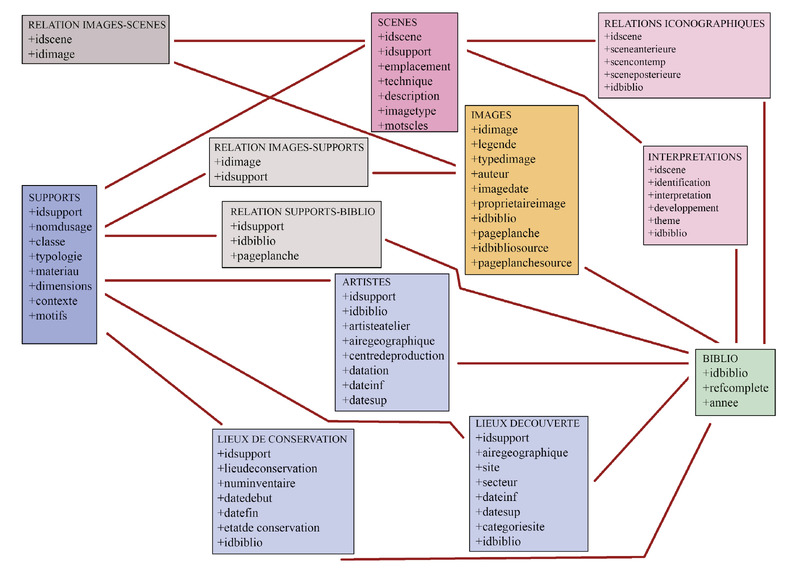 Academic Article3D/4D visualisation for documenting and editing images of pre-roman Italy: the ICAR databaseIt has been over twenty years since the ICAR database of figurative scenes from pre-Roman Italy (Etruscan, Italic, Italiote) was first made available online to researchers, students and the general public (http://icar.huma-num.fr/, 2002-, ISSN 2491-2301). The database is a tool for documentation and research into ancient iconography, bringing together the major corpora of images from pre-Roman Italy and providing the main information (archaeological, historical, stylistic, discovery, conservation, bibliographical) relating to them. Since 2000, ICAR has been developing its activities in association with various iconographic research programmes. Over the last ten years the database has also taken into account the modern documentation of the ancient artefacts and offers a data interoperability portal bringing together all the international collections preserving modern reproductions of Etruscan painting. Within this framework, we developed an exploratory tool (ICAR 4D) to combine high-definition 3D digitizations of two Etruscan painted tombs (the tombs of the Bigas and of Orcus in Tarquinia) with all the drawings and paintings produced over more than a century since the discovery of the two monuments. This tool uses cross-browser and open-source libraries to digitally expose and allow 3-D real-time online examination of both tombs’ models and their rich graphical documentation.
 -
Academic Article3D/4D Printing of Polymers: Fused Deposition Modelling (FDM), Selective Laser Sintering (SLS), and Stereolithography (SLA)Additive manufacturing (AM) or 3D printing is a digital manufacturing process and offers virtually limitless opportunities to develop structures/objects by tailoring material composition, processing conditions, and geometry technically at every point in an object. In this review, we present three different early adopted, however, widely used, polymer-based 3D printing processes; fused deposition modelling (FDM), selective laser sintering (SLS), and stereolithography (SLA) to create polymeric parts. The main aim of this review is to offer a comparative overview by correlating polymer material-process-properties for three different 3D printing techniques. Moreover, the advanced material-process requirements towards 4D printing via these print methods taking an example of magneto-active polymers is covered. Overall, this review highlights different aspects of these printing methods and serves as a guide to select a suitable print material and 3D print technique for the targeted polymeric material-based applications and also discusses the implementation practices towards 4D printing of polymer-based systems with a current state-of-the-art approach.
-
 Academic Article3D-STONE: a comprehensive workflow for structured light scanning and digital twin modeling of stone architectural elements in archaeologyThe paper outlines the state of the art in structured light scanning (SLS) in archaeology and highlights the potential of 3D imaging technologies for documenting architectural elements. It introduces the 3D-STONE workflow, a comprehensive methodology for the structured light scanning and 3D modeling of stone architectural elements, developed and tested as part of the CHANGES project (CNR-ISPC). Experimentation was conducted using the Artec Eva scanner on marble blocks from the Basilica Iulia in the Roman Forum (Rome) and the Monumental Nymphaeum of Tripolis ad Maeandrum (Denizli, Türkiye), addressing both archaeological and technical-practical challenges. The workflow covers all stages, from fieldwork to the creation of high-resolution digital replicas, offering an efficient, reliable process specifically tailored to architectural blocks. Results demonstrate that SLS technology provides unparalleled accuracy in capturing geometry and texture, while significantly reducing field and processing times. This establishes it as a highly valuable tool compared to photogrammetry-based approaches to produce digital replicas of blocks, suitable for virtual reconstructions, morphological analyses, conservation mapping, and for enhancing public engagement with monuments
 -
conference paper3D-ICONS: World Heritage sites for Europeana: Making complex 3D models available to everyone3D-ICONS is a European project which will enhance the content base available to Europeana users through targeted 3D digitization of European architectural and archaeological monuments. The "3D Icons" will be selected through their listing by UNESCO on its World Heritage (WH). The project aims to complement the collections which are being made accessible to Europeana via CARARE, Europeana Local, Athena and other projects which have developed the content base for the cultural heritage. 3D-ICONS aims to complement the 3D content brought to Europeana via the CARARE project, enabling public access to complex models and increasing the critical mass of this engaging type of content.
-
Academic Article3D-GIS as a Platform for Visual Analysis: Investigating a Pompeian HouseThe aim of the present work is to introduce an innovative framework for employing 3D-GIS as an exploratory platform to perform visual analysis. Such a methodology is aimed at detecting patterns of visibility to simulate the past human perception of specific categories of artifacts placed inside a virtually reconstructed three-dimensional space. As a case study, the house of Caecilius Iucundus in Pompeii (regio V, insula 1, entrances 23 and 26) was chosen and two media of visual communication, a painting and a graffito were tested to make an assessment of their visual impact on hypothetical observers. The approach consists of a vector-based line-of-sight (LOS) analysis, now available as an integral component of the 3D-analyst toolkit of the ESRI ArcGIS 10.x software package. This toolkit allowed us to perform the entire process inside a GIS environment, without splitting the tasks among different software platforms. It was thus possible to detect a significant difference in terms of visibility among the observed objects.
-
Academic Article3D visualization and reflexive archaeology: A virtual reconstruction of Çatalhöyük history housesMore than twenty years of excavations at Çatalhöyük have generated data-driven interpretations on the repetition of Neolithic buildings over multiple levels of occupation. Current 3D technologies allow us to simulate Çatalhöyük's material culture and unique urban environment, but pose questions on the role of virtual simulation and 3D reconstruction in a reflexive and multivocal archaeological discourse. What is the significance of virtually rebuilding Çatalhöyük history houses? How can different viewpoints on history—in terms of class, race, ethnicity, and gender—be represented in a 3D reconstruction? This article aims to shed light on the role of 3D technologies for the dissemination of archaeological data in promoting reflexivity, multivocality, and heritage awareness in local communities and youth. This work discusses the preliminary phases of the Virtually Rebuilding Çatalhöyük Project with the goal of illustrating the theoretical underpinning and preliminary results of this initiative.
-
Academic Article3D visual technology applied for the reconstruction of a Paleolithic workshopArchaeological investigations at the Paleolithic Piovesello open-air site in Italy have brought to light a small lithic workshop composed of 123 artefacts (Structure I). In order to remedy to the destructive nature of the excavation, we developed a conservative protocol based on a three-dimensional reconstruction of the heap, enabling us to restore information lost during the removals of the flakes. A 3D model of the structure and its close context was produced for each artefact through laser scanning, and then it was spatially positioned after the creation of a relative coordinate system using Structure from Motion with Agisoft Photoscan and by rectifying 24 photographs documenting different SI removal stages, performed by the software QGIS. Images provide X, Y coordinates of the findings located at the base of SI; for the Z coordinate is used the quote recorded during excavation. To reconstruct the formation process of the structure, we investigated its stratigraphy and performed the analysis according to different technological and morphometrical parameters, as core reduction stages, dimensional classes, presence of direct connections like refittings. Once Structure I has been interpreted like a primary workshop formed during knapping activities, it was possible to cross different data and to recognize six depositional stages, in which the alternation of large-size core shaping products, management flakes and fine full- production artefacts is visible.
-
Academic Article3D virtual reconstruction and sound simulation of old musical instrumentsDigital technologies and 3D models, nowadays largely used to document archaeological remains and to obtain hypothetical reconstructions when these remains are more or less heavily damaged, can also be powerful tools to simulate and render the acoustic response of an environment, such as the interior of a building, or an artifact, such as sounding objects or musical instruments. This work addresses the cases of three musical instruments of the past – namely a Pan flute, a brass instrument, and an electrophone instrument – coming from different periods and in different states of preservation, which voices can now be heard thanks to as many multidisciplinary projects. Possible approaches to the simulation of the sounds that these instruments could generate are discussed in relation to different aims and contexts.
-
Academic Article3D technologies for intangible cultural heritage preservation—literature review for selected databasesConservation of cultural heritage is nowadays a very important aspect of our lives. Thanks to such legacy we gain knowledge about our ancestors, methods of production and ways of their life. The rapid development of 3D technology allows for more and more faithful reflection of this area of life. The rich cultural heritage, both tangible and intangible, can be preserved for future generations due to the use of advanced 3d technologies. They provide the means of documenting, recovering and presenting items of cultural heritage. Not only buildings or monuments are taken into account. An important aspect of our culture is intangible cultural heritage (ICH), including acting, crafting or storytelling, passed down from generation to generation. Due to the rapid development of civilisation and the migration of people, this type of culture is often forgotten. That is why the preservation of ICH is an important element of today world. The main aim of this study, on the basis of the gathered papers, is to identify: (1) the general state of use of 3D digital technologies in ICH; (2) the topics and themes discussed; (3) the technologies used in the study; (4) locations of research centres conducting such studies; and (5) the types of research carried out. The methodology consists of the following main steps: defining study questions, searching query development, selection of publications in Scopus, Web of Knowledge and IEEE Xplore, finally the study execution and the analysis of the obtained results. The results show that for ICH the most often used technologies are: 3D visualisation, 3D modelling, Augmented Reality, Virtual Reality and motion capture systems.
-
Academic Article3D technologies for a critical reading and philological presentation of ancient contextsThis paper demonstrates how low cost 3D visualization techniques can be easily used for the transmission of historical and cultural content in museum communication strategy. Specifically, we used computer 3D animation graphics to present information about Queen Nefertari, the Maya chapel and the tomb of Kha in the specific exhibition in the Egyptian Museum of Turin. Movie documentaries support the thematic itineraries of the rooms and offer a virtual trip to the places where the goods displayed were found. The same approach was used for the virtual reconstruction of two Pompeian contexts: the House of the Golden Bracelet and the House of Octavius Quartio. Our research allowed us to create an accurate representation of gardens, statues, architectural spaces, and pools with fountains and frescoed rooms, all virtually reproduced in their original context, using communication methods that combine technology with a synthetic and emotional approach. Techniques of close range photogrammetry made it possible to conduct a 3D survey of sixteen statues and other architectural elements; lost artefacts were reconstructed and areas destroyed by the eruption of 79 AD were evoked. The eruption was partially represented, with fluid dynamic simulations and computer graphics effects in order to transmit accurate scientific information in a simple and immediate language developed by lengthy technical experiments. The synthesis imposed by the short duration of the movie required matching all this information with a self-explanatory approach, which allows the visitor to understand the characteristics of the archaeological goods displayed in the exhibition in a general view that repeats colours, sounds and suggestions of the environments destroyed two thousand years ago.
-
Academic Article3D Survey with Apple LiDAR Sensor—Test and Assessment for Architectural and Cultural HeritageThe documentation and metric knowledge of architectural and cultural heritage is becoming an increasingly important need, especially concerning the state of degradation of some historical assets and the associated required interventions. In this context, the metric documentation of the investigated heritage becomes fundamental for a complete knowledge of the asset in order to support architects and engineers in the restoration process. Recently, methods and geomatic instrumentation have been developed for the survey of cultural heritage aiming at optimizing costs and time. Apple has integrated into its devices a LiDAR sensor capable of providing a 3D model of spaces and objects. The present paper aims to investigate the potential of this sensor for the production of 3D models of cultural heritage assets in terms of accuracy and applicability. Consistently, four apps developed for the generation of point clouds for five case studies related to architectural-cultural heritage assets have been tested. We used Polycam, Sitescape, 3D Scanner and Scaninverse. The results obtained allow us to conclude that the Apple LiDAR sensor can be used for the creation of 3D models for applications and metric documentation of architectural and cultural heritage that are not particularly complex in form and texture.
-
Academic Article3D survey of Sarno Baths (Pompeii) by integrated geomatic methodologiesThe main aim of this work is to present the results of the geomatic survey, data collection and data processing that were conducted as part of the MACH project (MACH – Multidisciplinary methodological Approaches to the knowledge, conservation and valorization of Cultural Heritage) of the University of Padua. This wide research has regarded the study of Sarno Baths, an architectural complex located in the south-western part of Pompeii, and has involved different disciplines. Many of these groups of work could benefit the fundamental base of data that the integrated geomatic survey has provided, from the point cloud 3D models to plans and section, from the high resolution orthophotos to the monitoring of the façade subsidence. The complex is built on the southern rocky front of Pompeii and consists of a five floors structure that develops from the base outside the urban complex until the road level of the city and is articulated in different buildings with rooms, galleries, corridors and outdoor areas. The Archaeological Park of Pompeii has provided 3D data of the internal parts of the building, that were unified with the data obtained from the new surveys of the façade, in order to create a model with high metric reliability and geometrical completeness. It was made using laser scanning, classic photogrammetry and structure from motion photogrammetric technique, topographic and GNSS measurements of a reference network and high precision levelling for the monitoring of the deformations of the façade. All the new data were georeferenced thanks to the integration of new vertices with the topographic reference network of the Pompeii site. The complete spatial dataset allowed an up-to-date and accurate geometrical knowledge of the complex and had a fundamental role in the architectural study, in the planning of the intervention and in all the investigation activities of the MACH project that aimed at the conservation and valorization of the building.
-
Academic Article3D survey and virtual reconstruction of archeological sitesAs demonstrated in several case studies 3D digital acquisition techniques may greatly help in documenting an archeological site and the related findings. Despite such information supports for the traditional analytical approach for hypothesizing the most probable interpretation of an archeological ruin, mainly focused on excavations and stratigraphic examination; an accurate reality-based representation may be also used as the starting point for creating a scientifically sound virtual reconstruction of the site, embedding historical information of different provenances. The aim of this paper is to describe this whole process step by step, focusing on the iterative feedback that can allow us to reach the best virtual reconstruction solutions, helping the archeologists to better focus their reasoning through a detailed visual representation, and the technological experts to avoid misleading details in the final virtual reconstruction. The methodology has been experimented on a group of Cham temples located at MySon, an UNESCO archeological area in central Vietnam.
-
Academic Article3D scanning technology as a standard archaeological tool for pottery analysis: Practice and theoryThis article reports on the successful completion of a large-scale pilot project, where 3D scanning technology, and newly developed software to optimally identify the rotation axis of wheel-produced ceramics, were used as practical tools for pottery analysis. Approximately 1000 potsherds from several sites and periods were scanned, their axis of symmetry computed, and their mean profiles drawn. The variety of fragment shapes, sizes and surface properties enabled us to test the system for a large range of archaeologically relevant pottery types. The high rate of success of the system, its efficiency and its output in the form of accurate, print-quality profiles, encourage us to recommend this method as a practical and reliable tool in archaeological research.
-
conference paper3d scanning and photogrammetry for heritage recording: a comparisonThere is a high demand in documentation of cultural heritage objects such as artifacts, sculptures or buildings. In the past years, laser scanning, or 3D scanning in general, has been used increasingly for cultural heritage recording and the question arose if this new method can replace traditional methods like close-range photogrammetry. To investigate the advantages and disadvantages of both methods, i3mainz has carried out some case studies for cultural heritage documentation. Different typical objects were chosen and characteristical parts of them were recorded both by photogrammetry and scanning. Documented objects include an archaeological stone wall, baroque relief plates, Stone Age artifacts, ancient statues and the facade of a classical castle. Besides 3D scanning all these examplary objects were also recorded with standard stereophotogrammetry which is the most popular heritage recording method so far. Results are usually line drawings, but the creation of orthophotos or digital surface models is possible, too. In this paper five case studies are shortly introduced and the results of both measurement techniques are presented and compared. The aim is to give users (especially those who are not surveying experts) recommendations, which method is suited best for what kind of application, or even if a combination of 3D scanning and photogrammetry is advisable. Criteria like quality of the results, amount of cost and time, required equipment and occurring problems are to be considered.